Phantoms Statement
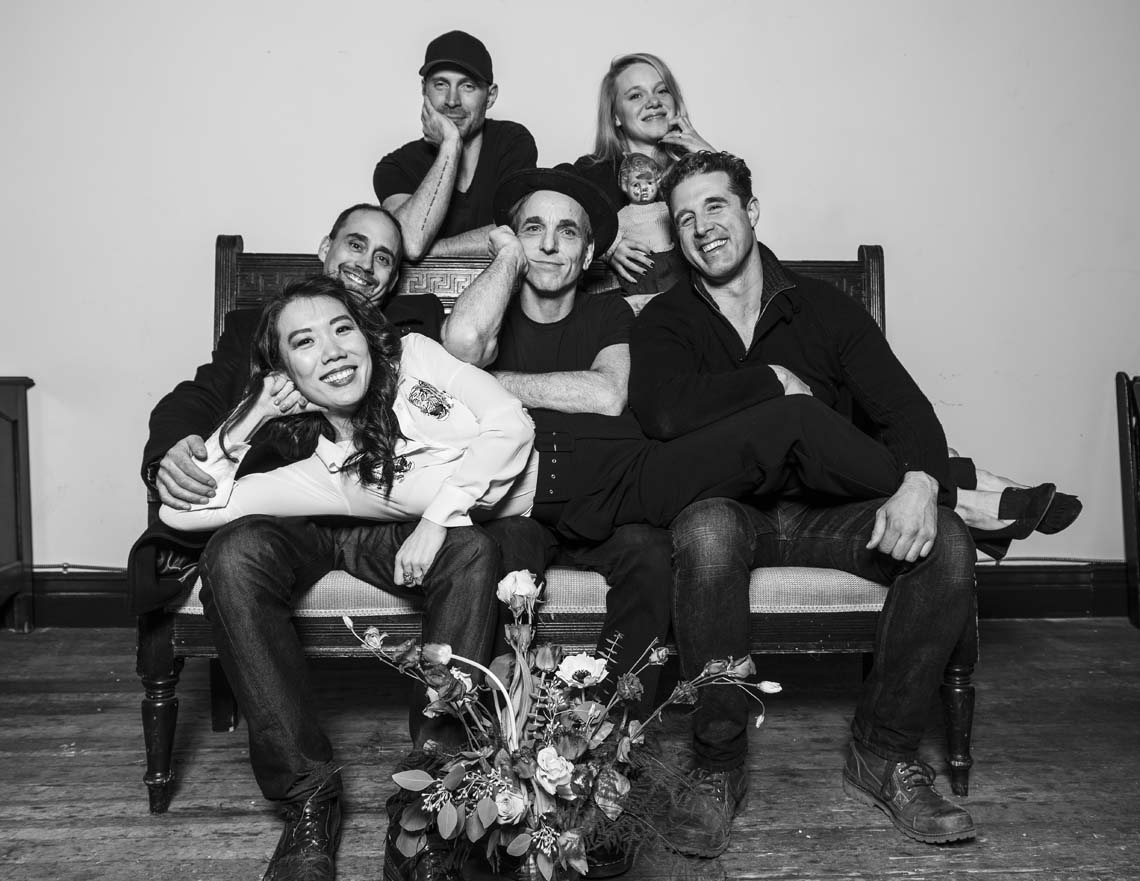
Phantoms in the Front Yard Collective Projects
Founded in 2010, and existing until 2020, Phantoms in the Front Yard (PITFY) was a Vancouver-based figurative artist collective focused on figurative work in Canadian contemporary art.
The group brought together the work of Vancouver artists Michael Abraham, Jeremy Birnbaum, Andrea Hooge, Paul Morstad, Jonathan Sutton and Jay Senetchko; as well as satellite members Bruce Pashak and Caroline Weaver. Pennylane Shen curated the group.
Inspired by an offhand comment by a group member about his dog Phantom’s whereabouts, the name captured the essence of the group’s purpose at the time: to address the fact that Modernist and Postmodern schools of thought virtually ignored the importance of figurative work, effectively banishing it to the back yard. With each exhibition, the Phantoms helped bring figurative work back to the front yard of contemporary art.
With a goal of creating art for all, not just academics and industry veterans, the collective opened its doors to members from a broad range of career stages. This diversity provided a variety of perspectives and an exciting opportunity for each member. Emerging artists gained insight from experience, and established ones were invigorated with new ideas.
PITFY exhibitions featured works by collective members and two invited guests who had the potential to join the collective full-time. That model added a dynamic element to group relations, with every participant assigned specific duties to help make each show a success.
PITFY exhibitions occurred annually in alternative venues independent of gallery or institutional settings. This format allowed complete freedom to determine what work would be shown and how. Contrary to group shows curated to reflect a unifying theme, PITFY exhibitions were unified in the artistic process itself. Group members took turns choosing each show’s theme, which other members were then free to interpret in their own manner. Subject matter was developed collaboratively in group meetings, resulting in work that was often outside of, and sometimes even contrary to, each member’s normal subject matter and process. This inspired experimentation and new possibilities, often resulting in work that was very diverse in nature, yet unified by a common theme.

PITFY exhibitions were made possible in part by generous sponsorship from